

To gain a better understanding of gender and its intersection with technology, it is important to first explore the origins and evolution of this concept and how it has contributed to advancing women’s rights worldwide.
It is crucial to differentiate between gender and sex, despite the common tendency to use these terms interchangeably. Therefore, before delving into the topic, it is important to clarify the distinction between these two terms:
Sex
In social sciences, the term ‘sex’ refers to the biological categories of human beings. Determining a person’s sex involves examining various biological and anatomical features, such as visible genitalia, internal sex organs, secondary sex characteristics, chromosomes, and reproductive capabilities.
Despite the apparent binary nature of sex, there is actually significant ambiguity and diversity within these categories. Hormonal influences can lead to atypical development, resulting in the development of sex organs and secondary sex characteristics that are typically associated with the opposite sex. Some individuals may have body features associated with one sex category and chromosomes associated with another, regardless of whether they are clothed or unclothed.
The biological categories of male, female, and intersex can have a broad range of manifestations in our bodies.
Gender
Gender is a term coined by social scientists to describe the cultural roles that are assigned to individuals based on their biological sex. These roles determine different behaviours, relationships, responsibilities, and rights for people of different genders. Unlike sex, which is biologically determined, gender is socially constructed, and therefore, there is no such thing as ‘biological gender.’
Developing a gender identity takes time and is a communal effort that involves education in both public and private spheres. Individuals learn cultural norms and values, gender representations, taboos, and religion, among other things, through a process of enculturation. Gender roles are not inherited or innate, but are learned through socialisation, particularly during childhood.
Gender categories are culturally constructed and can vary widely across different societies and change over time. This means that the specific expectations and behaviours associated with gender roles are culturally determined and can differ from one society to another, or evolve over time within a society. This means that the specific expectations and behaviours associated with gender roles are culturally constructed and can vary between societies or evolve over time within a society.
As the World Health Organizations claims, gender is just one piece of a discrimination puzzle where every piece intersects with the other, making social analysis more complex:
“Gender-based discrimination intersects with other factors of discrimination, such as ethnicity, socioeconomic status, disability, age, geographic location, gender identity and sexual orientation, among others. This is referred to as intersectionality”.
Gender as a conceptual category began to be used by social scientists in the 1950s and 1960s to differentiate it from the category of ‘biological sex’ and to gain a deeper understanding of how culture, religion, society, and education play essential roles in defining and imposing gender identity, gender roles, and gender expression.
Genderbread.org provides resources to make the concepts of gender, sex, and sexuality more accessible. For instance, one can be born with the biological characteristics of a female but have a gender identity culturally associated with men, a public gender expression of masculinity, and be attracted to both men and women.
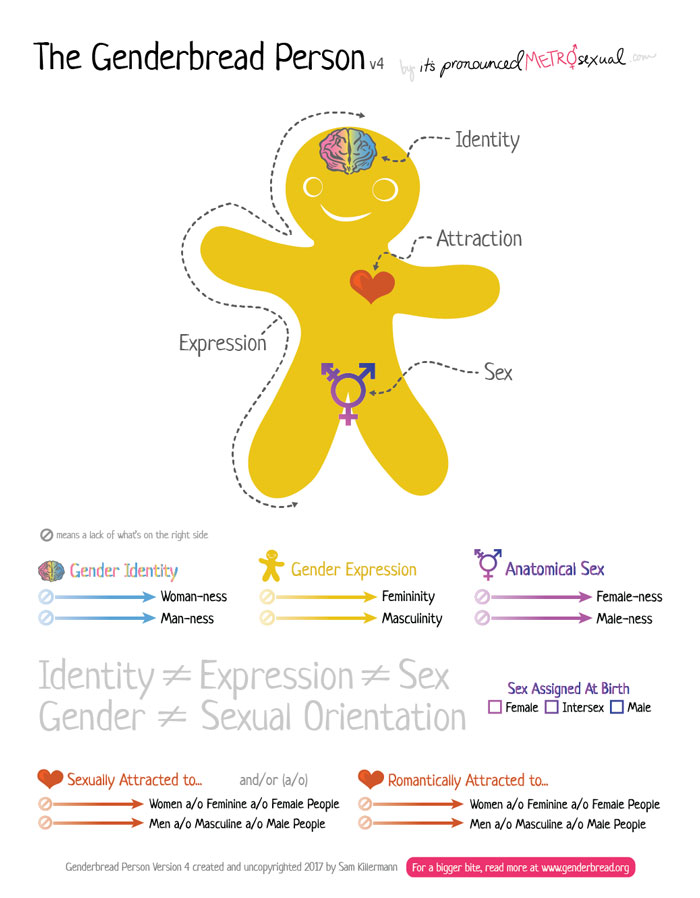 Image Source: Ginger Bread
Gender identity encompasses a wide range of possibilities, including non-binary, agender, transgender, cisgender, genderfluid, and many others. This expansive range of gender identities highlights the diversity of human experiences and challenges the notion that one’s biological sex can define their entire being.
In reality, the fact that someone is born with male or female genitalia does not provide meaningful information about their gender identity. Unfortunately, societal norms have often relied on binary gender categories to simplify and categorise individuals, overlooking the rich complexity of human identity.
With these words, Wikipedia summarises what Sexism is:
“Sexism is the prejudice, stereotyping, or discrimination based on one’s sex or gender. Sexism can affect anyone, but throughout history it primarily affected women and girls. It has been linked to gender roles and stereotypes, and may include the belief that one sex or gender is intrinsically superior to another.
Extreme sexism may foster misogyny, sexual harassment, rape, and other forms of sexual violence. Discrimination in this context is defined as discrimination toward people based on their gender identity or their gender or sex differences. A notable example of this is workplace inequality. Sexism may arise from social or cultural customs and norms”.
Gender discrimination is a term used to describe situations where individuals are treated differently based on their gender. Typically, those who have historically held power (often men) are given better treatment than those who have historically been marginalised (often women). This discrimination can have negative impacts on how individuals develop their careers, navigate their workplaces, and how laws and policies are created to support different gender groups.
Our societies teach us, through a multitude of mechanisms, what is deemed appropriate or inappropriate behaviour, what we should study, what career paths we should pursue, and how we should imagine our future based on our gender. Unfortunately, women and men are often perceived as possessing different capabilities or skills that are deemed more suited for certain positions at work.
This has resulted in men studying certain careers while neglecting others that are traditionally associated with women, and vice versa. Consequently, certain careers and jobs have become dominated by men, while others have become dominated by women.
To see this more clearly, let’s take a look at some numbers:
Some female-dominated jobs:
- 97.78 % of nurses and assistants are women.
- 95,65% of legal secretaries are women.
- 89,09% of dancers and choreographers are women.
- 88,45% of receptionists are women.
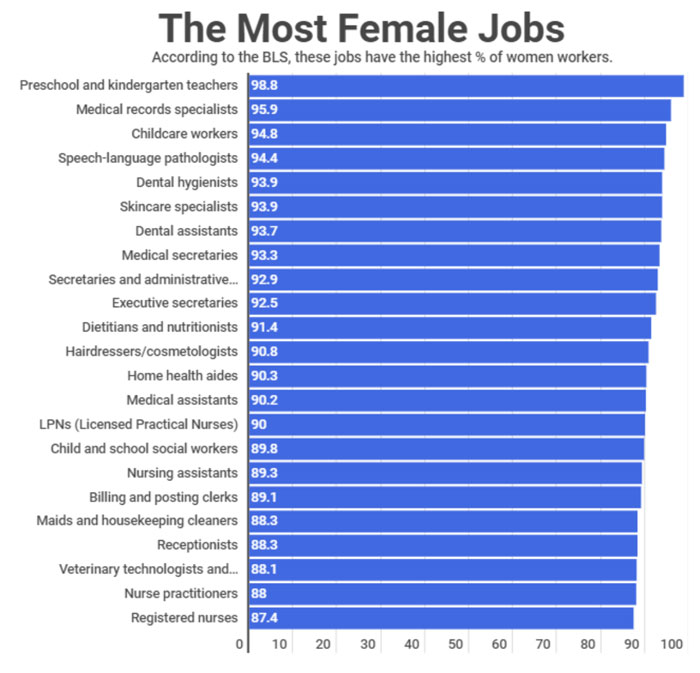 Image Source: Zippia
Some male-dominated jobs:
- 99,19% of vehicle technicians, mechanics and electricians are men.
- 98,97% of carpenters and joiners are men.
- 96,4% of electrical and electronic technicians are men.
- 95,38% of telecommunication engineers are men.
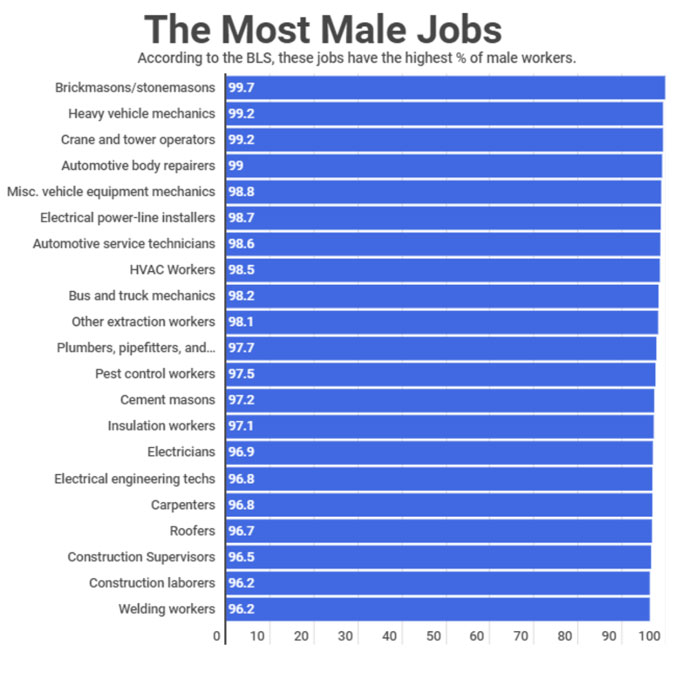 Image Source: Zippia
The disparity between certain jobs being dominated by one gender is a result of enculturation and education within our specific contexts. However, these realities can be changed if we challenge the invisible social norms that dictate which jobs are suitable for men and women. This will require the implementation of new policies, different role models, and a better-designed education system.
Despite progress, women are still paid less than men, with a global estimated gender pay gap of 20%. Job segregation and wage discrimination contribute to this problem.
Let’s see some of the factors causing the gender pay gap:
- Women tend to work in underpaid sectors compared to men.
- Women are not occupying enough leadership positions and are not being promoted as much as men.
- There is gender wage discrimination making women in every country earn less than men for the same work.
- Women pay a big professional price for getting pregnant, as they are often expected to prioritise caregiving responsibilities over their careers. This can result in women gradually stepping back from their professional roles to become full-time caregivers, mothers, and homemakers, while also being responsible for their children’s health and education.
Gender inequality is a major injustice that affects our daily lives all around the world. The gender gap has a direct impact on overall economic growth, with only 50% of women participating in the labour force compared to 80% of men globally. The World Inequality Report 2022 examines other global inequalities, such as wealth, income, and ecology, which intersect with gender inequality in interesting ways. It is evident from various indices, reports, and studies, including historical ones, that gender inequality against women and in favour of men exists worldwide. In various areas, the gender gap can be observed in general terms. Additionally, the Covid-19 pandemic has had a regressive impact on gender equality in recent years.
According to McKinsey’s report:
“Women make up 39 percent of global employment but account for 54 percent of overall job losses. One reason for this greater effect on women is that the virus is significantly increasing the burden of unpaid care, which is disproportionately carried by women. This, among other factors, means that women’s employment is dropping faster than average, even accounting for the fact that women and men work in different sectors”.
However, not all countries have the same level of gender inequality. The Global Gender Gap Index, an annual report published by the World Economic Forum since 2006, reveals that while every country has a gender gap, it is less pronounced in Iceland, with a gender parity rate of 90.8%, compared to Afghanistan, which has a rate of only 43.5%. These differences between countries have a significant impact on the way men and women experience various aspects of their lives, as measured by the index’s four sub-indices and 14 indicators:
- Economic Participation and Opportunity:
- Labour-force participation rate.
- Wage equality for similar work.
- Estimated earned income
- Legislators, senior officials and managers
- Professional and technical workers
- Educational Attainment:
- Literacy rate
- Enrolment in primary education
- Enrolment in secondary education
- Enrolment in tertiary education
- Health and Survival:
- Sex ratio at birth
- Healthy life expectancy
- Political Empowerment:
- Women in parliament
- Women in ministerial positions
- Years with female/male head of state (last 50)
The following graph illustrates 2022’s results across the 146 countries covered by the latest index:
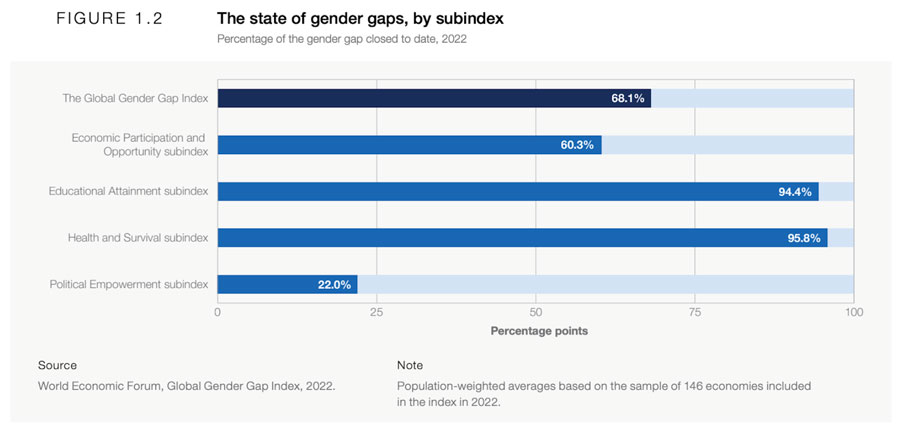 Image Source: Global Gender Gap Report 2022
As shown in the image above, the Global Gender Gap for 2022 is 68.1%, but there are significant differences between subitems:
Economic Participation and Opportunity
This subindex presents the second-highest range of variation. In comparison to the previous year, there is an increased difference observed between economies, with the lowest score of 18% for Afghanistan and the highest of 88% for Laos. These figures demonstrate that global economic equality is highly unequal among different economies. On average, higher-income economies score 69%, upper-middle-income economies score 68%, and low-income economies register 66%. The least performing are the lower-middle-income economies, with a score of 63%.
Educational Attainment
In terms of the Educational Attainment subindex, scores appear to be relatively balanced, although there is a growing gap between countries towards the lower end of the spectrum. The performance of countries on this dimension varies significantly, with rates ranging from 48% to 100%. 29 countries achieved full gender parity on this subindex, including 17 high-income economies, three lower-middle-income economies, and nine upper-middle-income economies. On average, high-income and middle-income economies achieved a parity score of 99%, while lower-middle-income and low-income economies scored 95% and 81%, respectively.
Health and Survival
The subindex of Health and Survival shows the most consistent performance, with minimal variation and the smallest global gender gap. Most countries on this dimension have nearly achieved parity, with attainment levels ranging from 93% to 98%. Throughout the entire index, 141 countries from all regions have closed at least 95% of their Health gender gaps, although no country has reached parity in 2022. Qatar, Pakistan, Azerbaijan, China, and India are the only five countries with gender gaps larger than 5%.
Political Empowerment
We find the biggest global gap in Political Empowerment, with an average global score of 22%. There is a wide variation in scores among countries, ranging from 0% in Vanuatu, indicating no parity at all, to 87% in Iceland, representing the highest progress achieved.
The subindex of Political Empowerment has not shown any progress compared to last year, with no significant changes in its three indicators. This subindex has the largest remaining gender gap of all subindexes, with a global average score of 22% and the widest range of variation among countries.
Apart from Iceland, only 11 countries have closed more than 50% of their gap on this subindex: Finland, Norway, New Zealand, Nicaragua, Costa Rica, Rwanda, Germany, Bangladesh, Sweden, Ireland, and South Africa.
Vanuatu, Kuwait, Brunei, Qatar, Iran, and Nigeria have more than 95% of the gap to close. About 39% of countries in the index performed above the subindex average of 22%, which is the same proportion as in 2021, indicating a significant skew of the distribution towards the lower end of the subindex.
The following graph depicts the indicators for each world region categorised by subindexes. On average, North America and Europe have achieved higher levels of parity in 2022, whereas South Asia, the Middle East, and South Africa exhibit lower levels of parity:
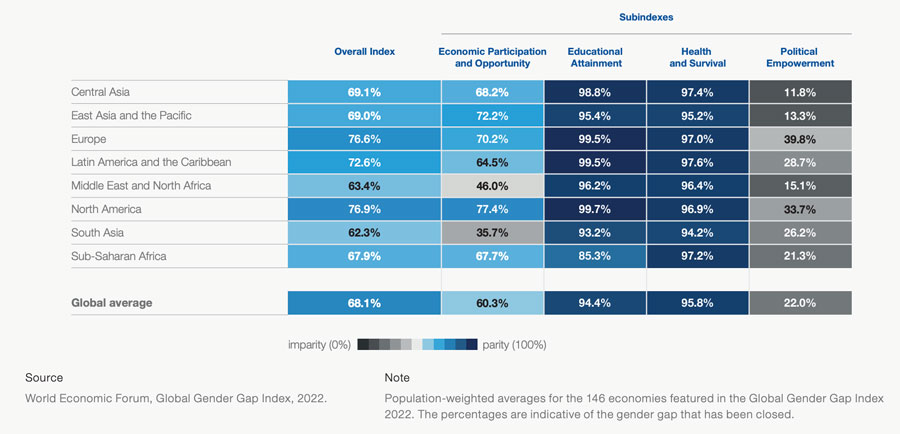 Image Source: Global Gender Gap Report 2022
According to the Global Gender Gap Report 2022, these are the years to focus on closing the gender gaps, although we hope that someday gender parity will be achieved worldwide:
“Based on the evolution of the global average scores for each subindex over the past 16 editions for the constant sample of 102 countries, at the current rates of progress, it will take 155 years to close the Political Empowerment gender gap, 151 years for the Economic Participation and Opportunity gender gap, and 22 years for the Educational Attainment gender gap. The time to close the Health and Survival gender gap remains undefined as its progress to parity has stalled”.
Examining the top 10 countries with the smallest gender gap in the world, as outlined in the Global Gender Gap Report 2022, can offer valuable insights. While the global south generally performs poorly, there are a few noteworthy exceptions that demonstrate how political action can rapidly address gender inequality.
This is the case of Rwanda, ranking 6th worldwide (ranking better in Political Empowerment), where after the 1994 genocide and under the presidency of Paul Kagame, started to rebuild the country, as they didn’t have enough men to support the country’s economy, carried out aggressive reforms to include women in many spheres of public life.
For instance, they reserved 30% of parliament seats for women. Despite this progress, women in Rwanda still face high levels of sexual violence with inadequate legal protection. In 2015, 21% of women experienced physical and/or sexual intimate partner violence over the course of 12 months, and in 2010, 54% of Rwandan women claimed: “to have been in a partnered relationship and survived intimate partner violence”.
The example of Rwanda serves as a useful illustration that the gender gap is merely one component of gender equality, which in turn is a fundamental aspect of human rights.
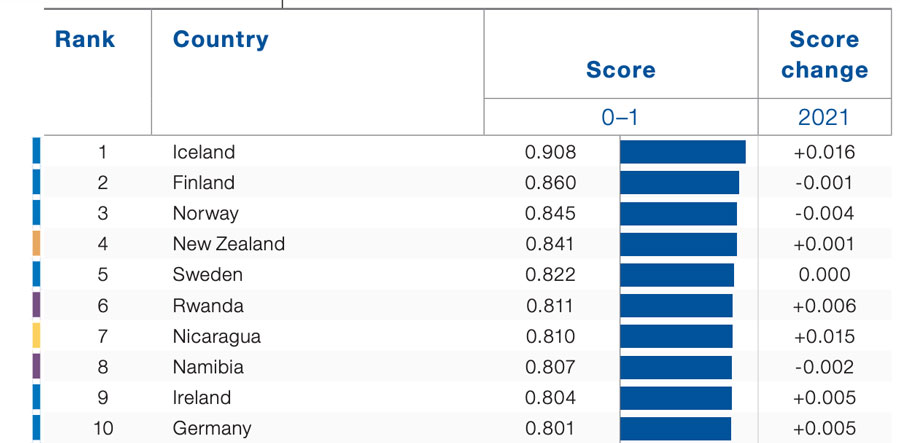 Image Source: Global Gender Gap Report 2022
The Gender Snapshot Report 2022 provides insight into the global progress towards achieving gender equality in various aspects of life and sheds light on the various forms of violence against women that continue to hinder their advancement.
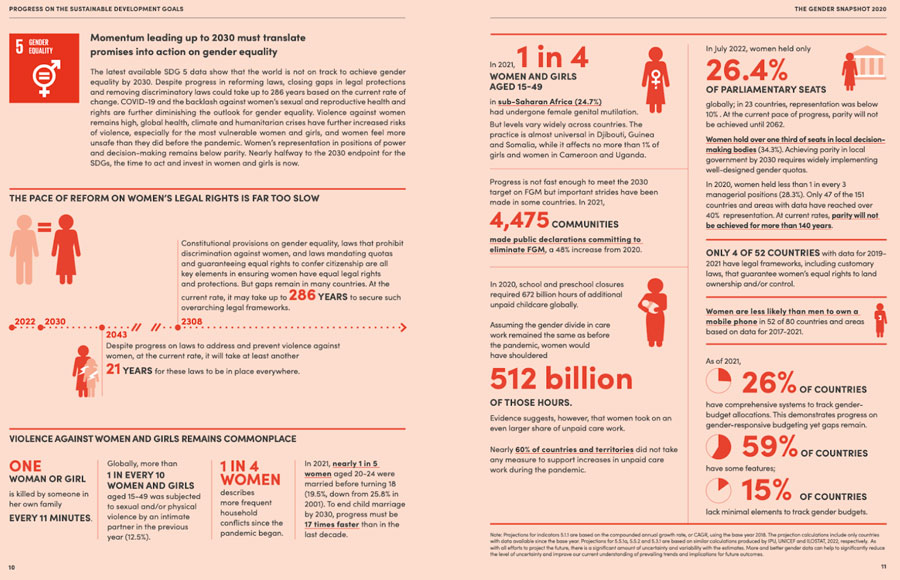
Image Source: Gender Snapshot Report 2022
Further information about gender inequality can be found in the United Nations’ Sustainable Development Goals 2030, which includes «Gender Equality» as its fifth goal. This goal aims to address the various violations of women’s rights that occur across the globe by setting objectives aimed at reducing inequalities and promoting gender parity for girls and women.
These Gender Equality objectives help us understand some inequalities lived by millions of women all over the world:
- End all forms of discrimination against all women and girls everywhere.
- Eliminate all forms of violence against all women and girls in the public and private spheres, including trafficking and sexual and other types of exploitation.
- Eliminate all harmful practices, such as child, early and forced marriage and female genital mutilation.
- Recognize and value unpaid care and domestic work through the provision of public services, infrastructure and social protection policies and the promotion of shared responsibility within the household and the family as nationally appropriate.
- Ensure women’s full and effective participation and equal opportunities for leadership at all levels of decision-making in political, economic and public life.
- Ensure universal access to sexual and reproductive health and reproductive rights as agreed in accordance with the Programme of Action of the International Conference on Population and Development and the Beijing Platform for Action and the outcome documents of their review conferences.
- Undertake reforms to give women equal rights to economic resources, as well as access to ownership and control over land and other forms of property, financial services, inheritance and natural resources, in accordance with national laws.
- Enhance the use of enabling technology, in particular information and communications technology, to promote the empowerment of women.
- Adopt and strengthen sound policies and enforceable legislation for the promotion of gender equality and the empowerment of all women and girls at all levels.
As a window to the future, this UN Women video illustrates the technological advancements expected to occur before global gender equality is achieved.
The connectivity of men and women to the internet is crucial for the growth of the digital economy. The following chart provides insights into how people globally are accessing the internet. Europe tops the chart with the highest share of internet users (89% female/90% male), followed by The Americas (83% female/83% male) and CIS (Commonwealth of Independent States) (83% female/84% male).
In developed regions, there is gender parity in internet usage. However, in developing regions, internet usage is comparatively lower, and the gender gap is higher. For instance, there is a 10% internet access gap in the Arab States, a 6% gap in the Asia Pacific, and an 11% gap in Africa. This digital divide needs to be addressed to ensure equal opportunities for men and women in accessing the internet.
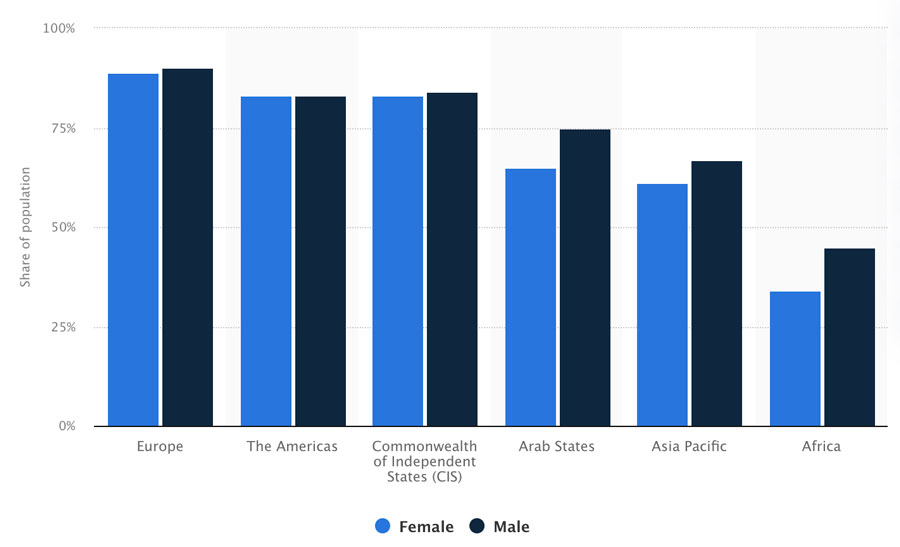 Image Source: Statista
While significant progress has been made in increasing global internet access, the World Wide Web Foundation’s analysis of 2020 data reveals that almost half of the world’s population remains offline, with women in developing countries constituting the majority of the offline population. This reinforces gender disparities in digital access.
According to the Economist Intelligence Unit‘s country-level analysis, men are 21% more likely than women to be online, and this disparity increases to 52% in the world’s least developed countries.
Achieving universal internet access, a Sustainable Development Goal, will be impossible without narrowing this gap.
While women and men have achieved a relatively balanced representation in undergraduate careers (45%-55%), postgraduate courses (53%), and PhD studies (43%), they still only make up 35% of all students in STEM fields (Science, Technology, Engineering, and Mathematics).
This is concerning because as the digital and global economies continue to grow, STEM fields are becoming increasingly important, and women’s under-representation in these fields could lead to a lack of access to high-paying jobs in the future.
It’s essential to encourage more women to study STEM for both their professional future and to reduce the gender gap. However, this requires changing the perception of STEM careers as traditionally male-dominated fields. Research has shown that these fields are often stereotyped as being for men, which can discourage women from pursuing them.
A clear example of male dominance in STEM fields can be seen in the map below.
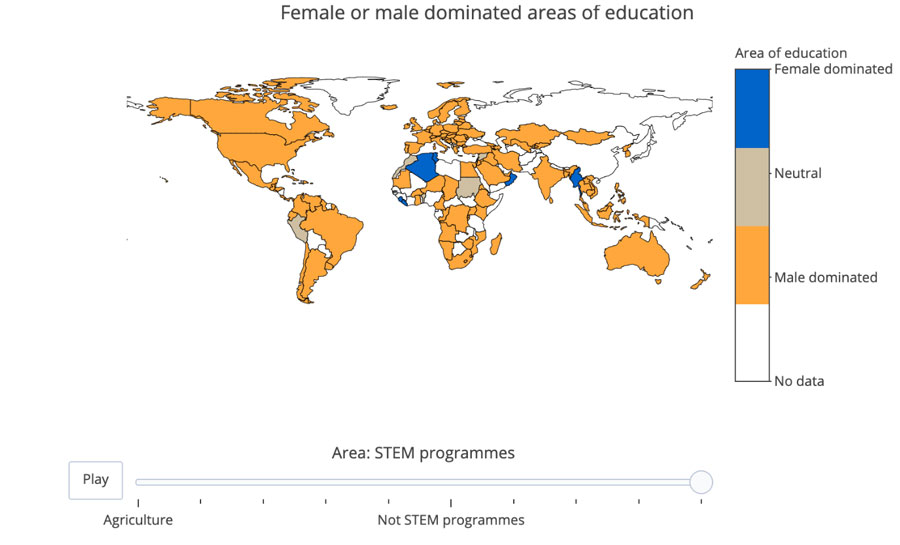 Image Source: World Bank
Naturally, the gender gap in STEM fields has nothing to do with women’s intellectual ability to excel in these areas. Instead, it stems from a lack of self-confidence, male stereotypes associated with these fields, and a pervasive male-dominated culture. The following graphic illustrates the percentages of women in different STEM fields in the US between 1990 and 2020:
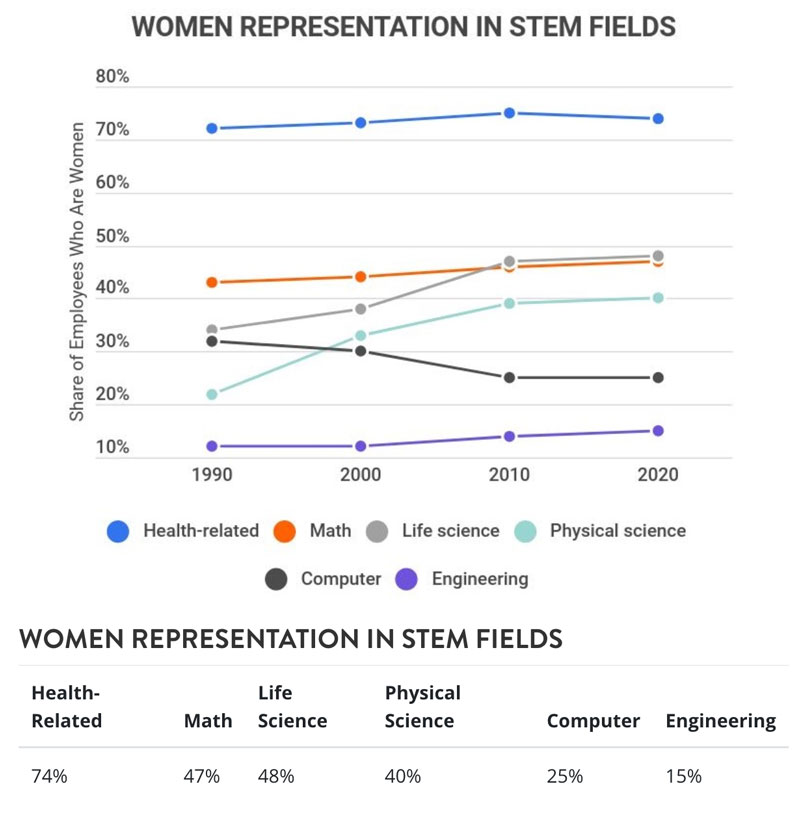 Image Source: Zippia
The following image is a graph illustrating the gender gap in STEM fields in the UK:
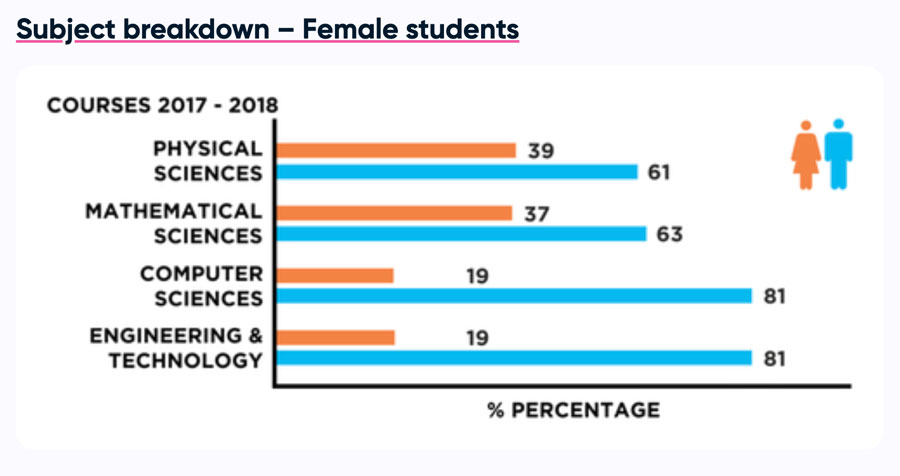 Image Source: STEM Women
The ICT (Information, Communication, and Technology) industry in the EU is composed of only 17% women. When it comes to women’s participation in ICT degrees, Women in Tech provides the following statistics:
“Women account for a mere 16% of those who earned a Bachelor’s degree in computer and information sciences, 21% of Engineering and Engineering Technology graduates, 27% with an Economics background, and 38%, Physical Sciences degrees recipients respectively”.
To help us gain a better understanding of the issue, we will present a few statistics shared by Zippia regarding women in STEM and ICT fields.
- Women hold fewer than 20% of leadership positions in the tech industry; only 19% of senior vice presidents and 15% of CEOs in the tech industry are women.
- 39% of women in tech say that they see gender bias as an obstacle to getting a promotion.
- 34% of Apple’s workforce is female, while only 24% of its technical jobs are held by women.
- Women in tech were almost twice as likely as men in the same industry to leave their jobs, be laid off, or be furloughed during the Covid-19 pandemic.
To know more relevant statistics and data of women in STEM, please visit this page.
The gender gap in the technology industry leadership is gradually decreasing, particularly among the largest corporations. While women have historically been underrepresented in technical and leadership positions, their representation is now increasing at a faster rate:
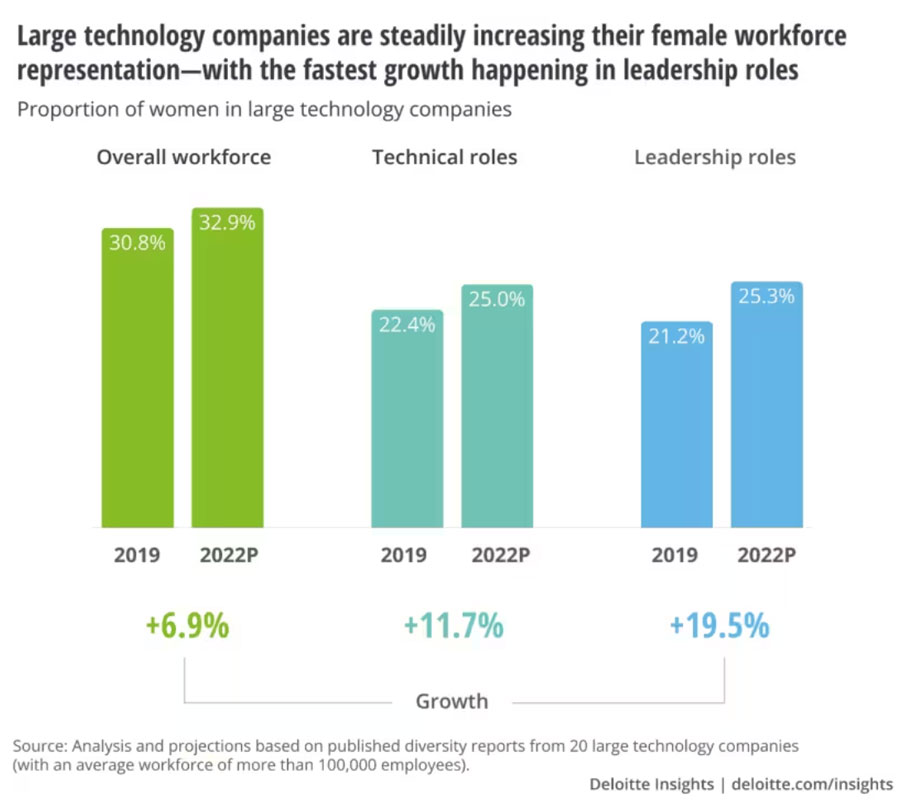 Image Source: Deloitte
You can find 100 noteworthy female leaders in technology to keep an eye on in 2023 on the Women Tech Network page, which adds a personal touch to the statistics.
BCG affirms that as women progress towards leadership positions, they encounter obstacles that are typically not experienced by men. These challenges include extended leaves of absence due to caregiving responsibilities, a lack of supportive role models and peers, and greater pressure to prove their skills, particularly in the field of technology.
Consequently, women often feel the need to work harder than their male counterparts to receive the same level of recognition.
Also, when pursuing a promotion, women and men behave differently. Men rely more on their confidence, and women more on external sources.
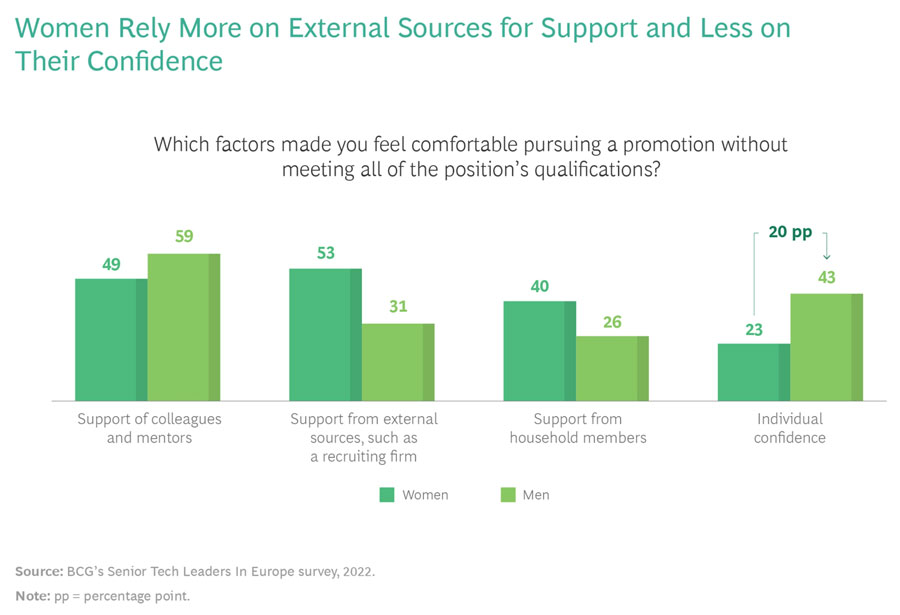 Image Source: BCG
The Women’s Entrepreneurship Report 2021/22 by Global Entrepreneurship Monitor reveals that women constitute 40% of global early-stage entrepreneurs. However, men tend to start more businesses than women, as illustrated in the chart below.
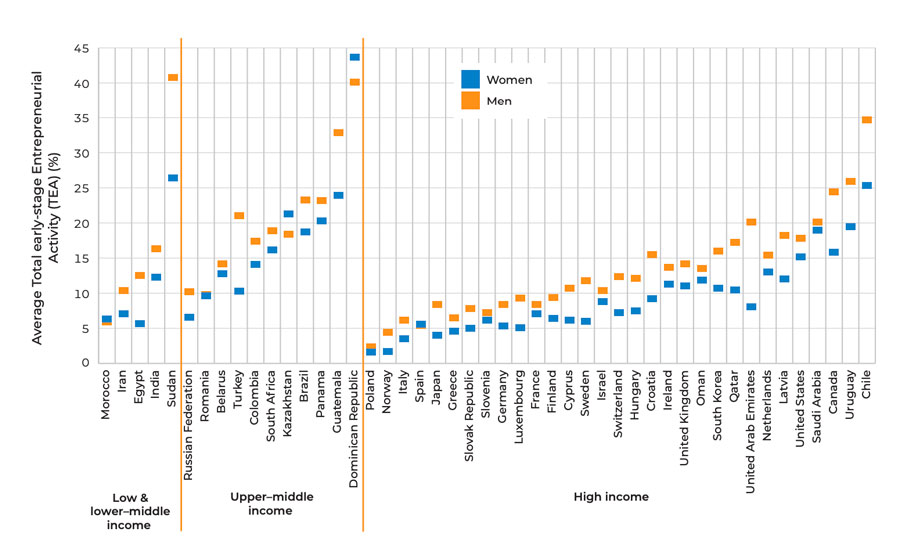 Image Source: GEM
And for the potential reasons behind female founder statistic, the Women’s Entrepreneurship Report explains:
“Women and men tend to start businesses for different reasons, with job scarcity being the most reported startup motivation for all entrepreneurs. Globally in 2021, women were more likely than men to report key motives for starting a business being to make a difference (52.9% women vs. 51.0% men) or due to job scarcity (72.5% women vs. 67.2% men). Meanwhile, men were more likely to report starting a business in order to build wealth (56% women vs. 63.3% men) or to continue a family tradition (32.9% women vs. 35.7% men). These gender differences were generally consistent across national income groups”.
When it comes to businesses started across various industry sectors, and gender worldwide, the disparity between low-middle-income countries, upper-middle-income countries, and high-income countries is notable.
One key observation is that women’s participation in ICT startups is significantly lower than men’s globally (2.7% compared to 4.7% for men), despite the fact that the ICT sector garners the majority of venture capital funding both in the US and worldwide.
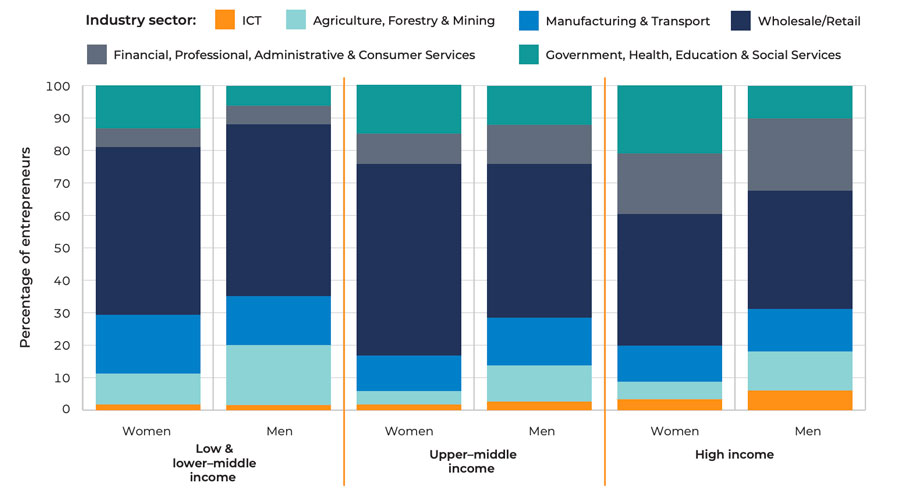
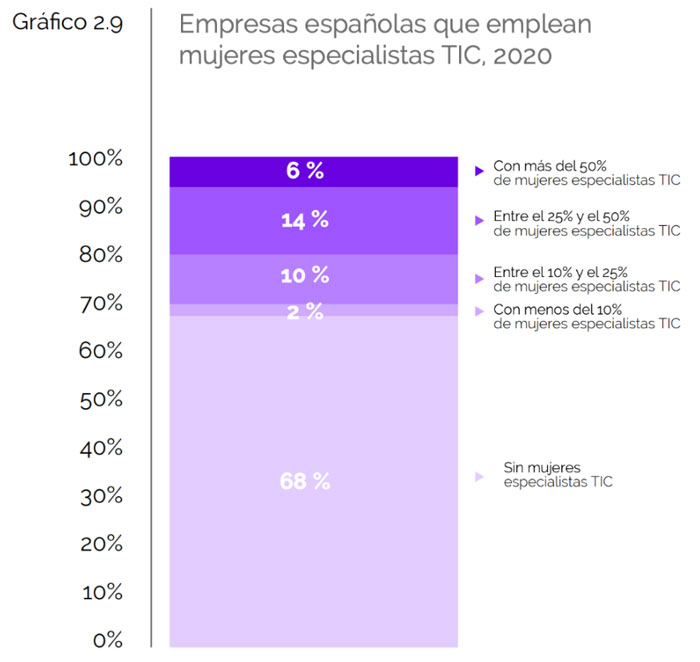 Image Source:
  Image Source:
 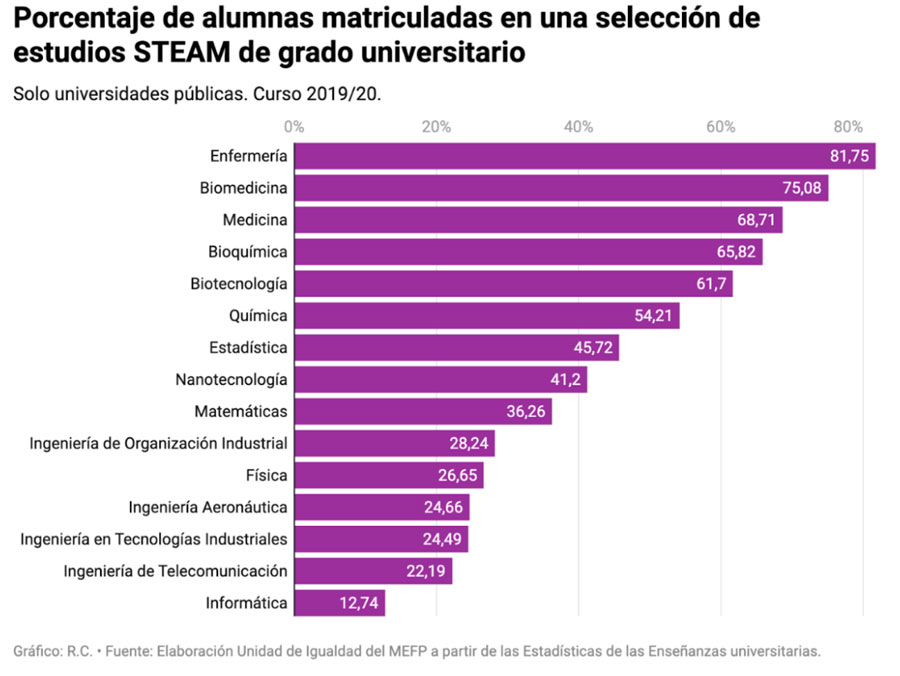 Image Source:
 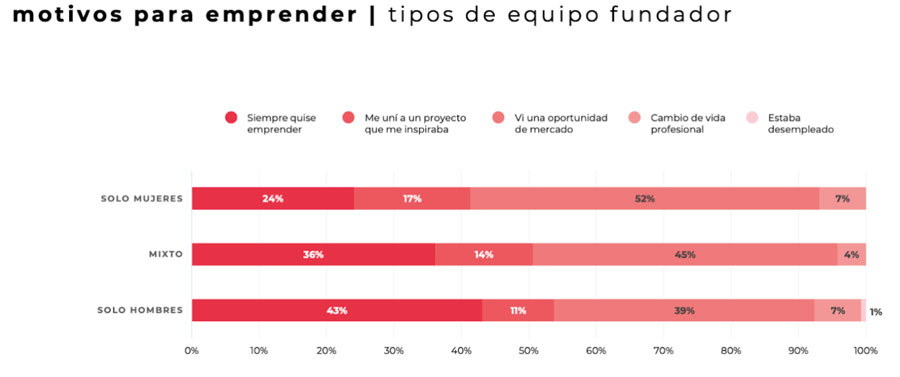 Image Source:
  Image Source:
 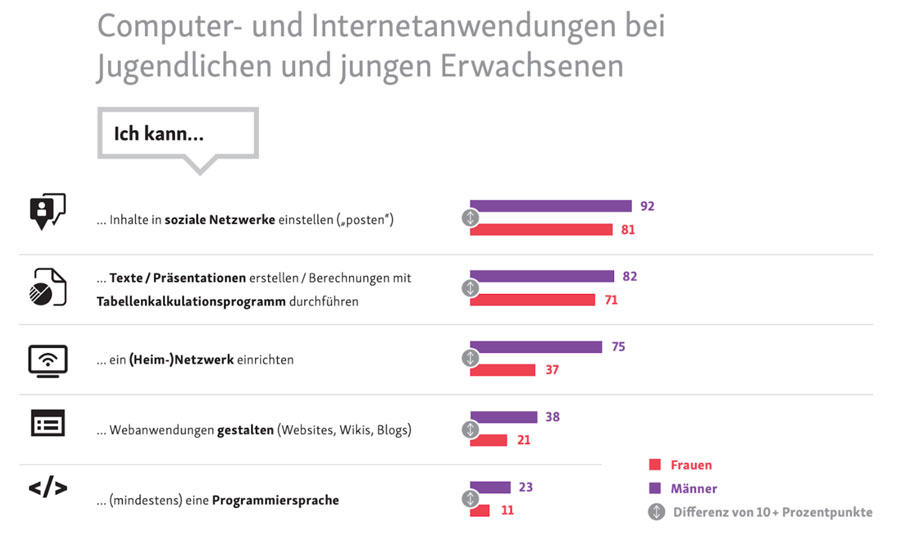 Image Source:
 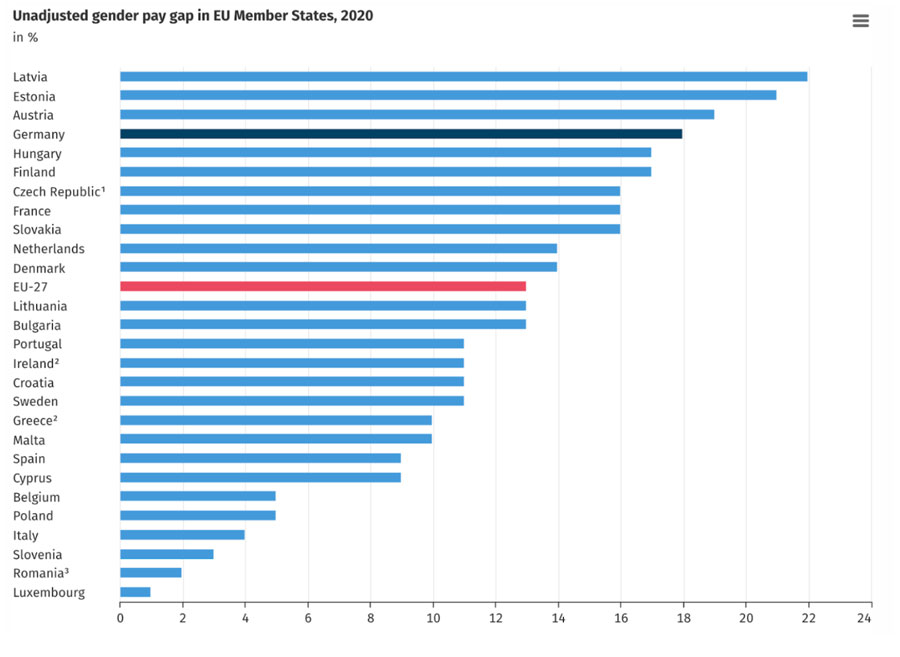 Image Source: https: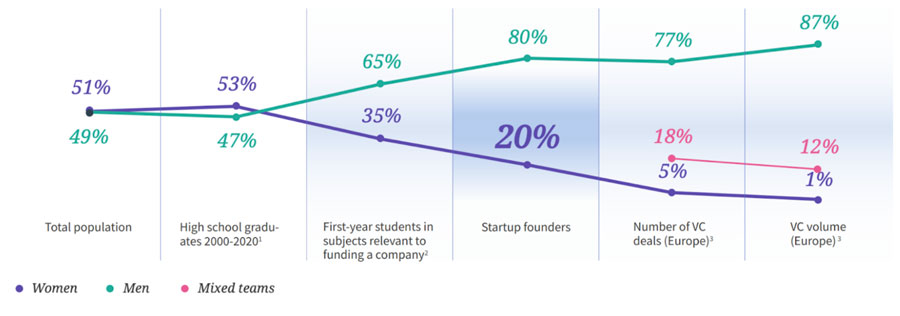
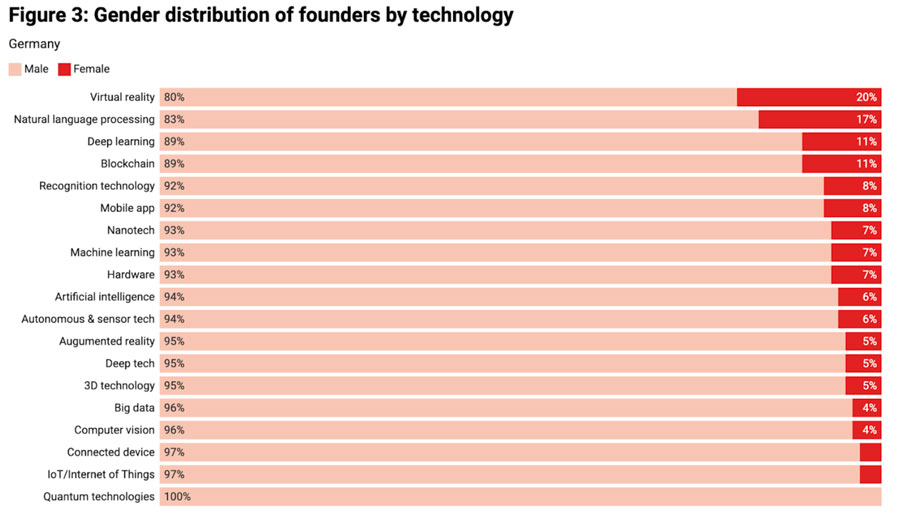
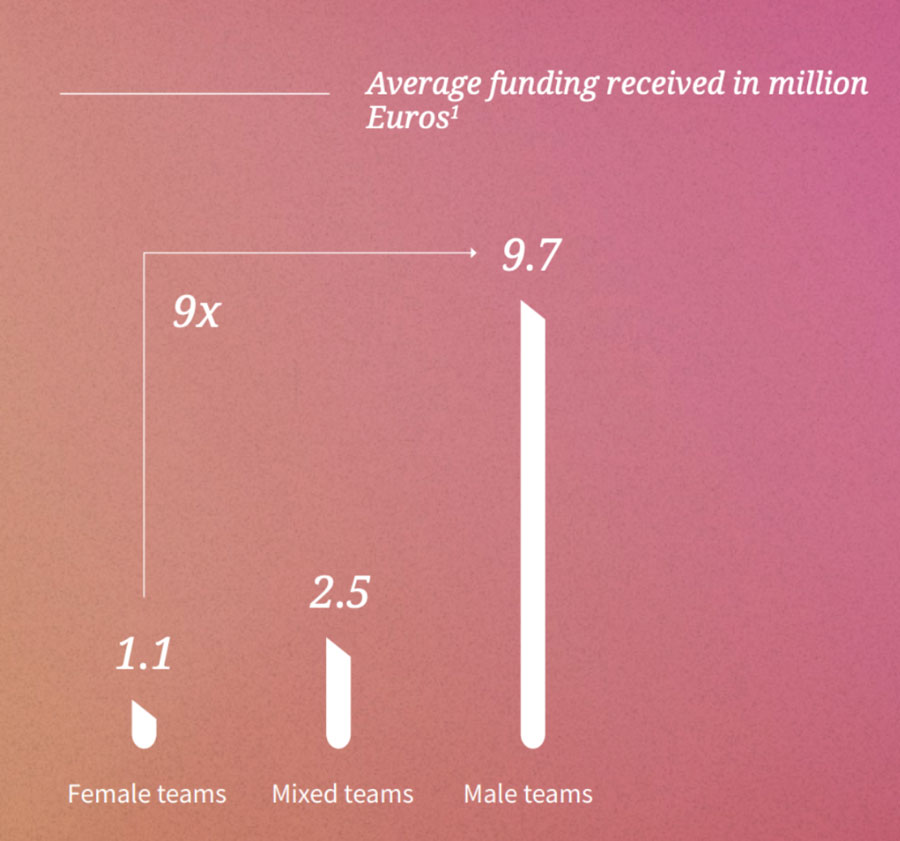 Image Source:
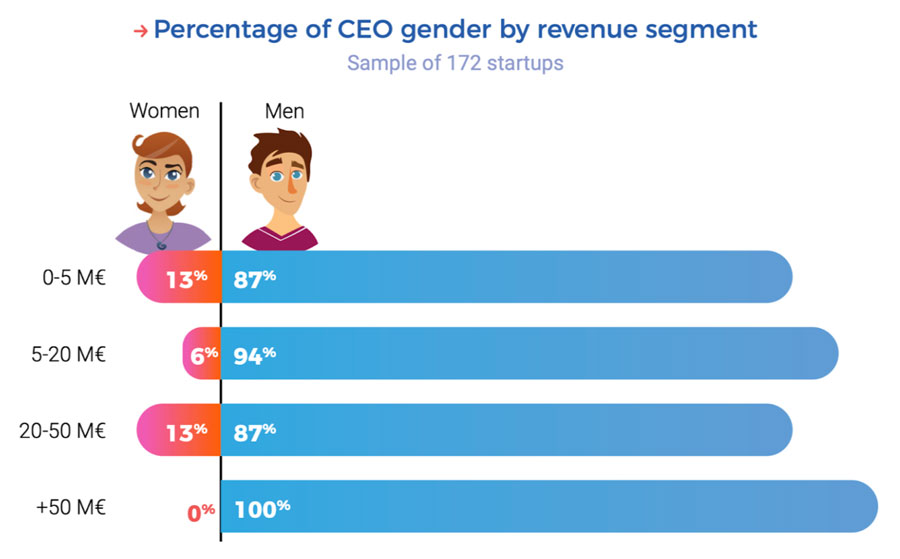
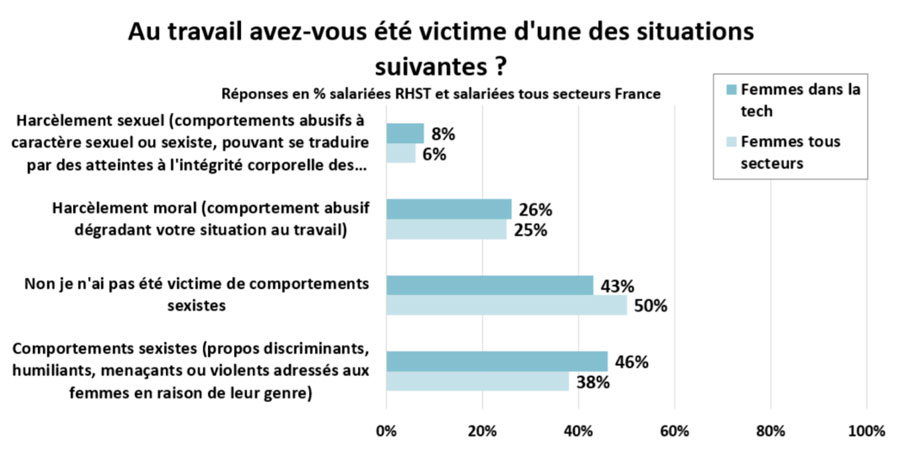
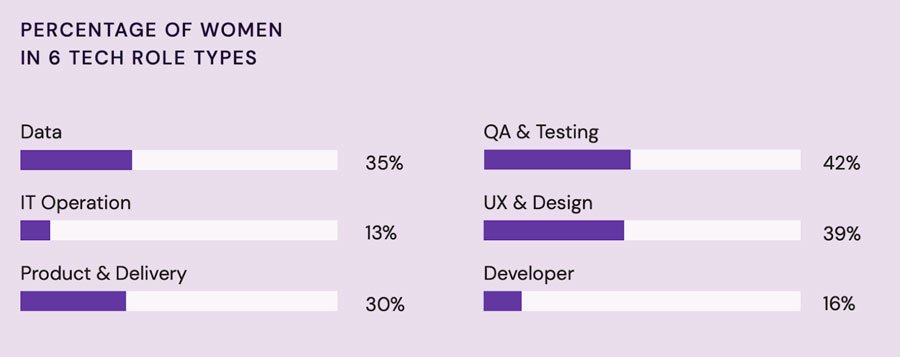 Image Source:
 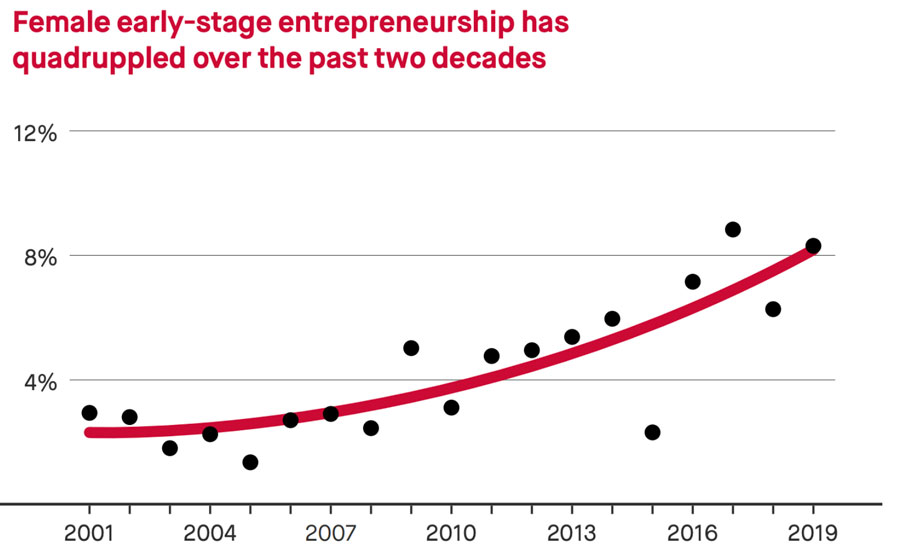 Image Source: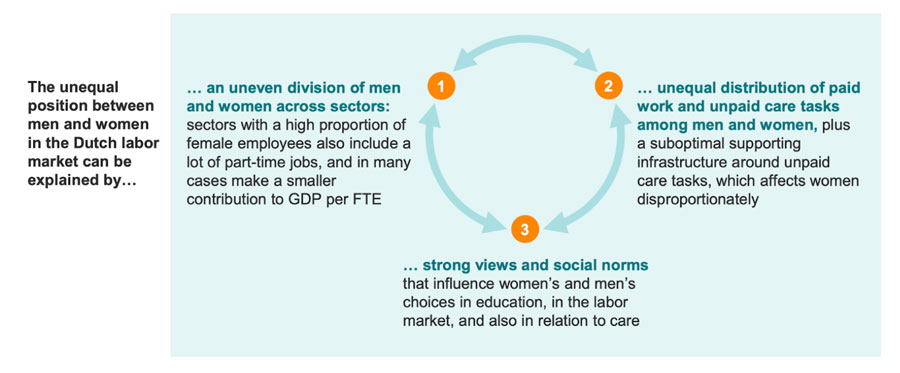
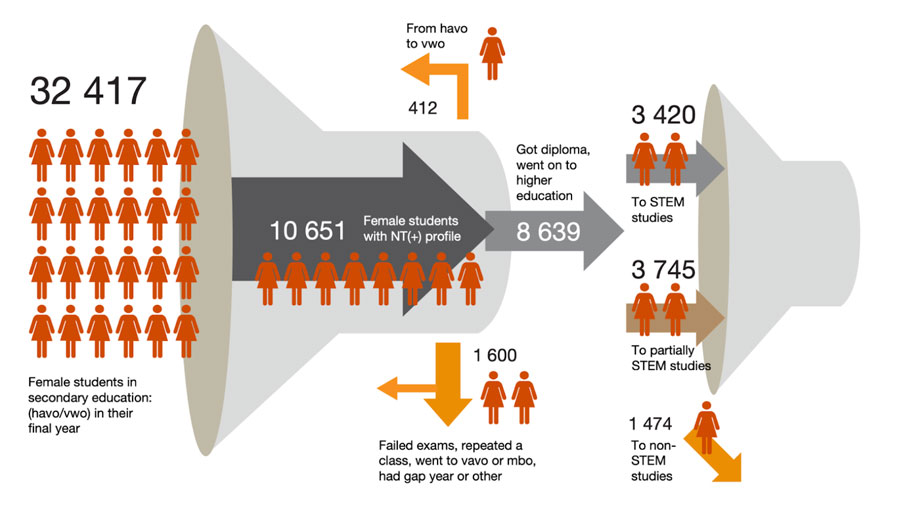
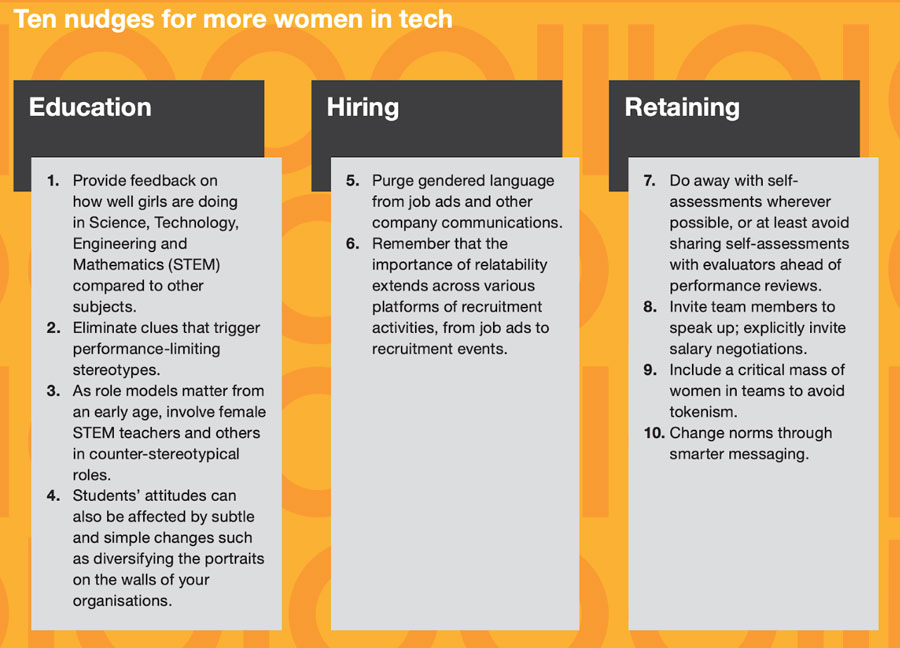 Image Source: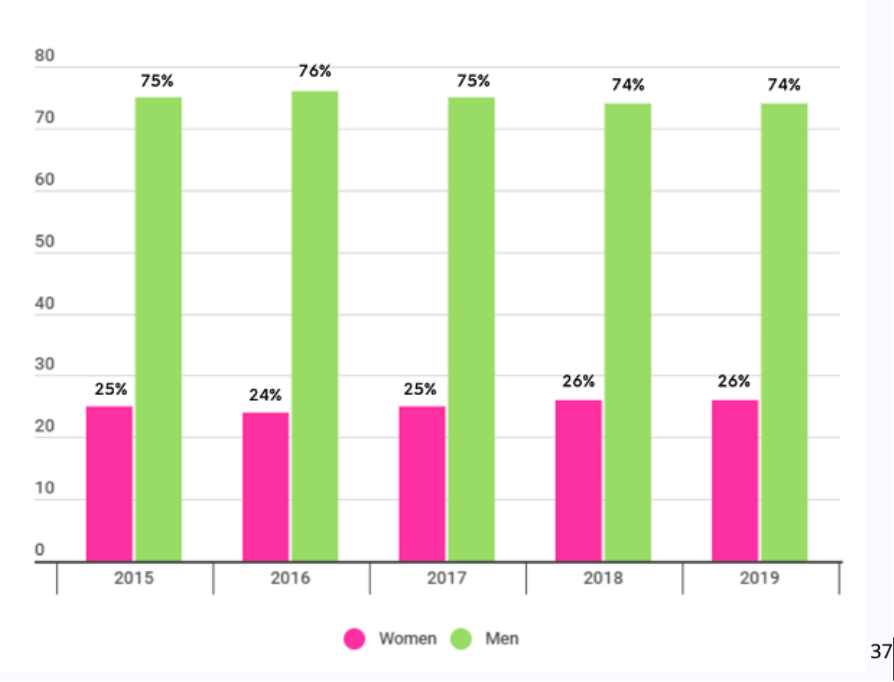
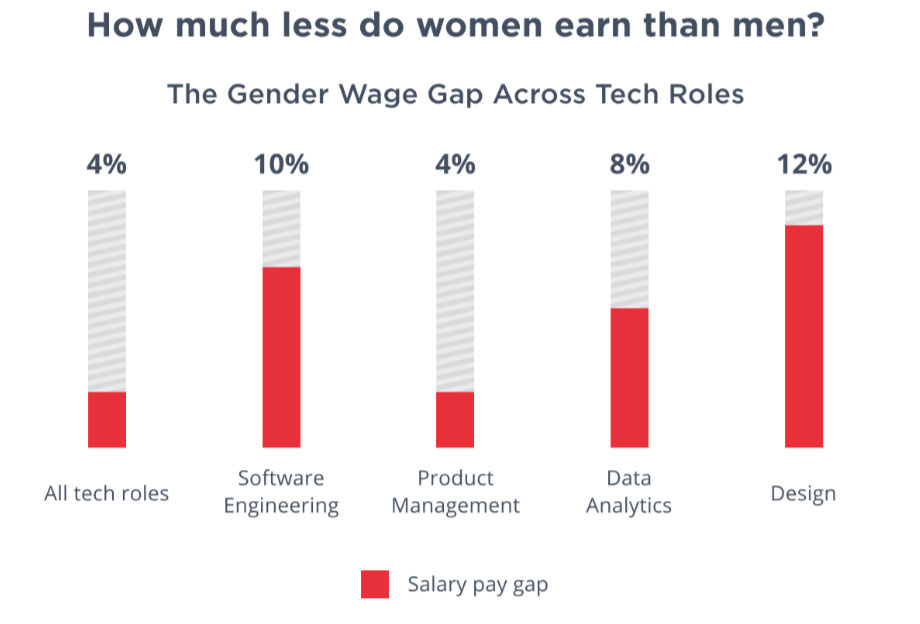
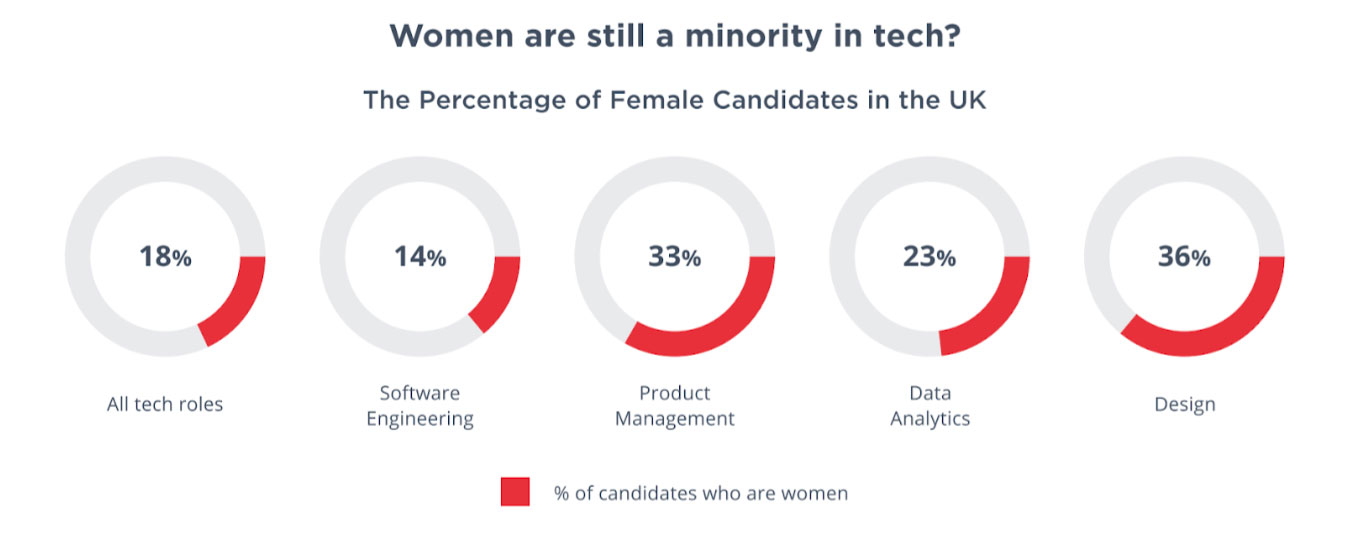
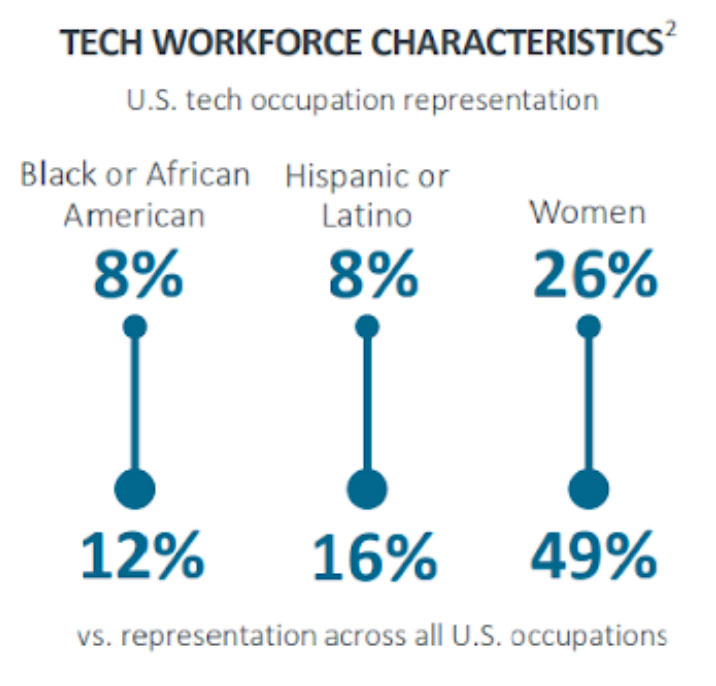 Image Source:
 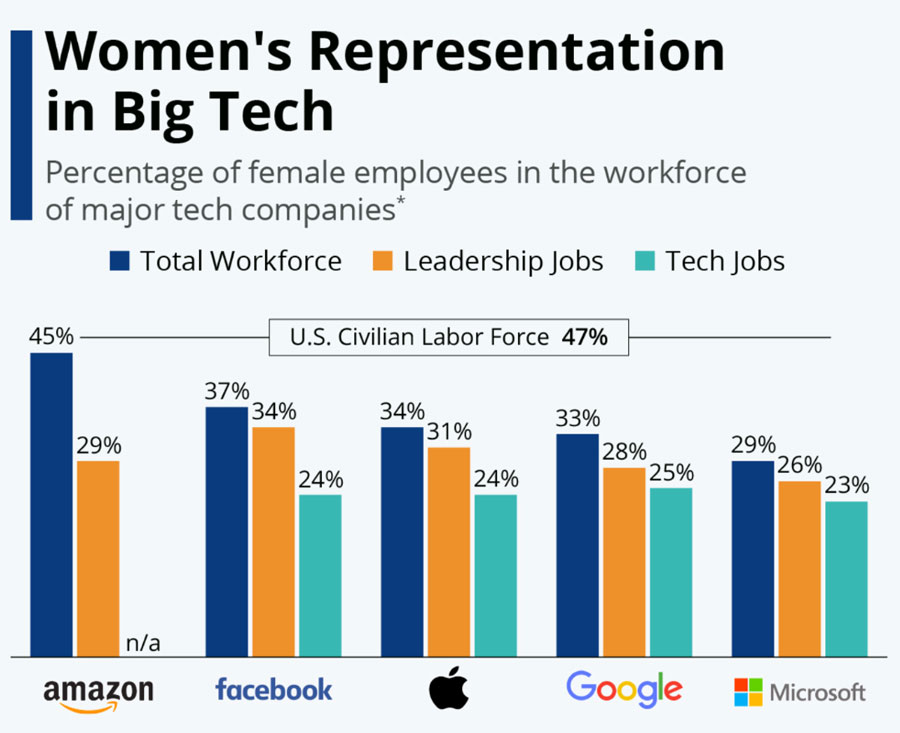 Image Source: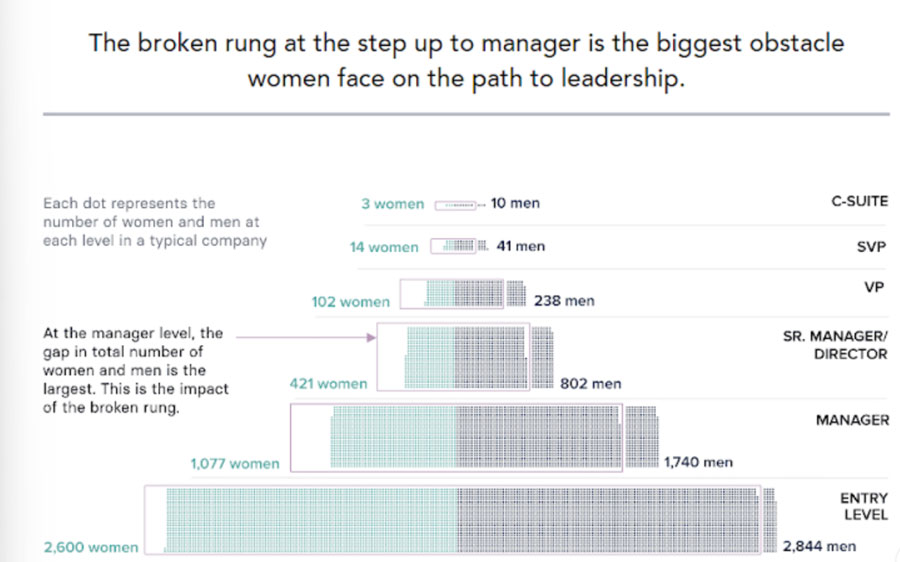
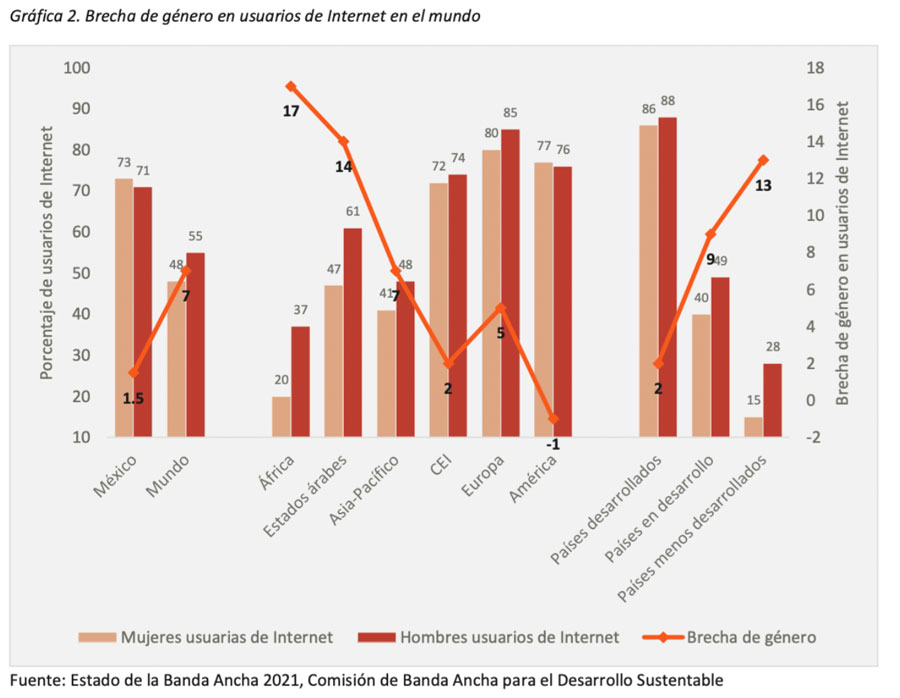
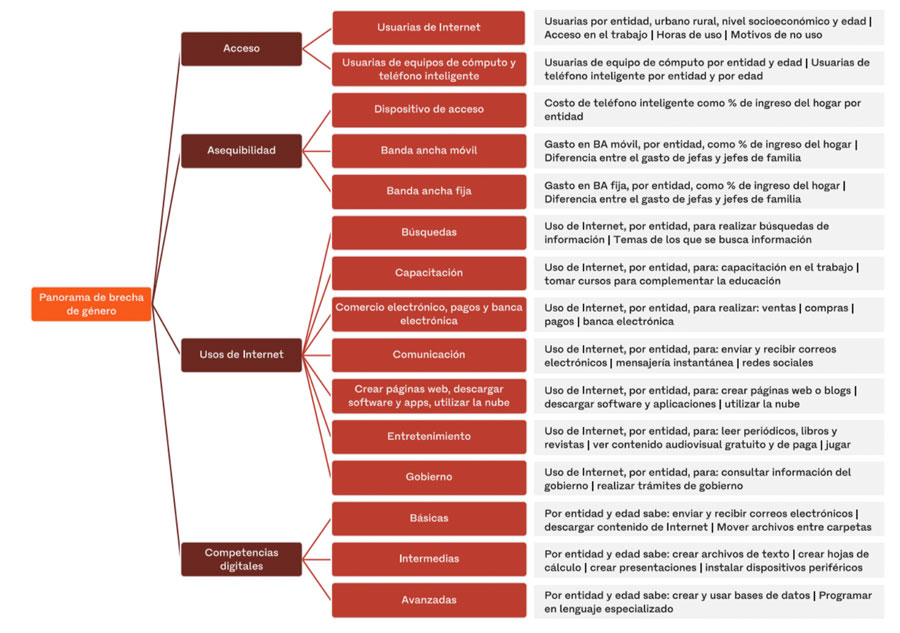
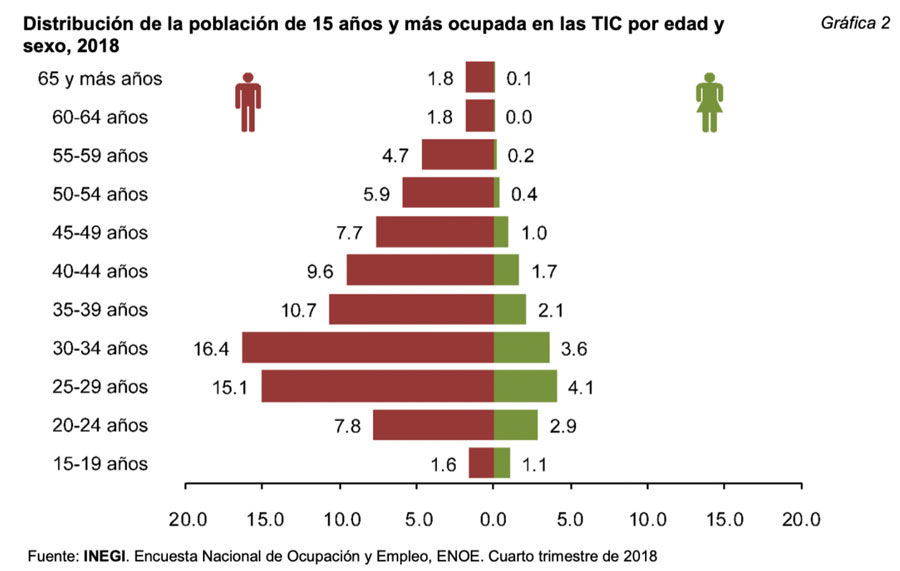
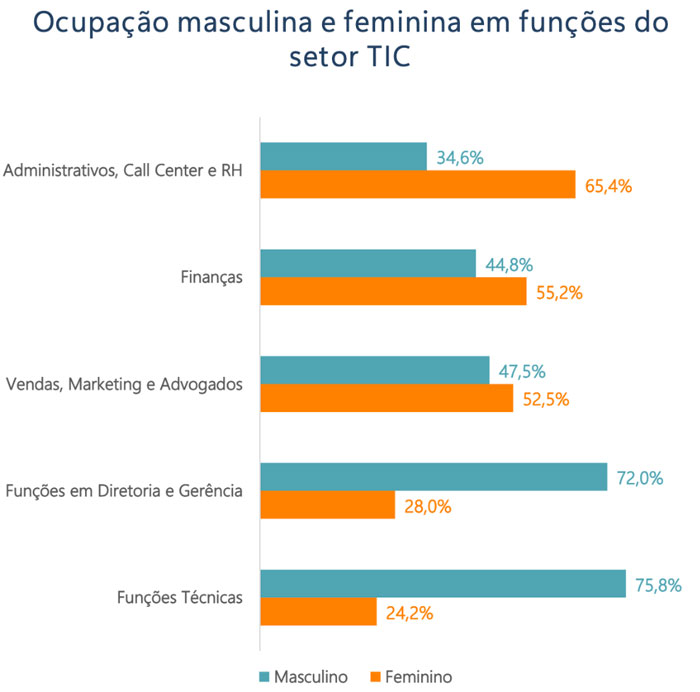 Image Source:
 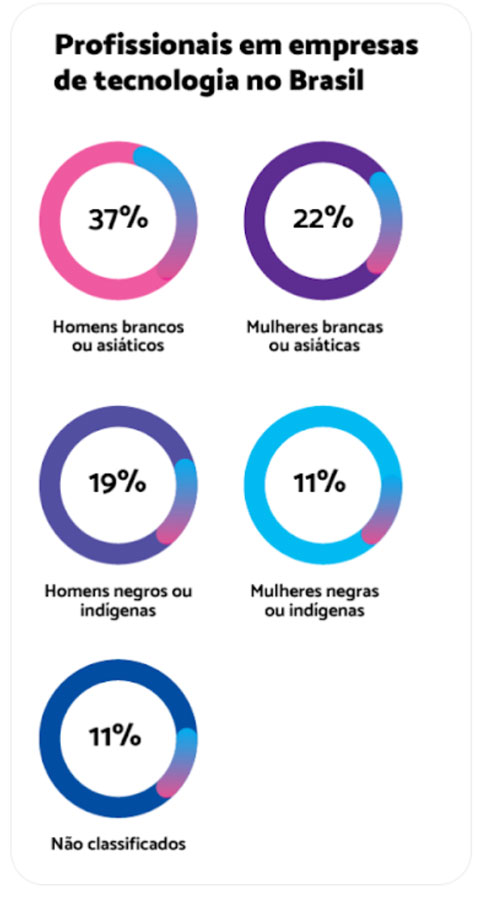 Image Source:
  Image Source:
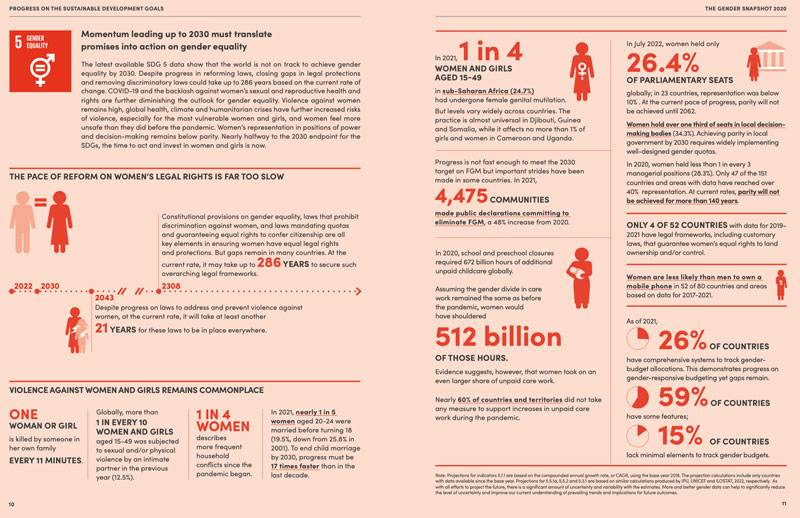

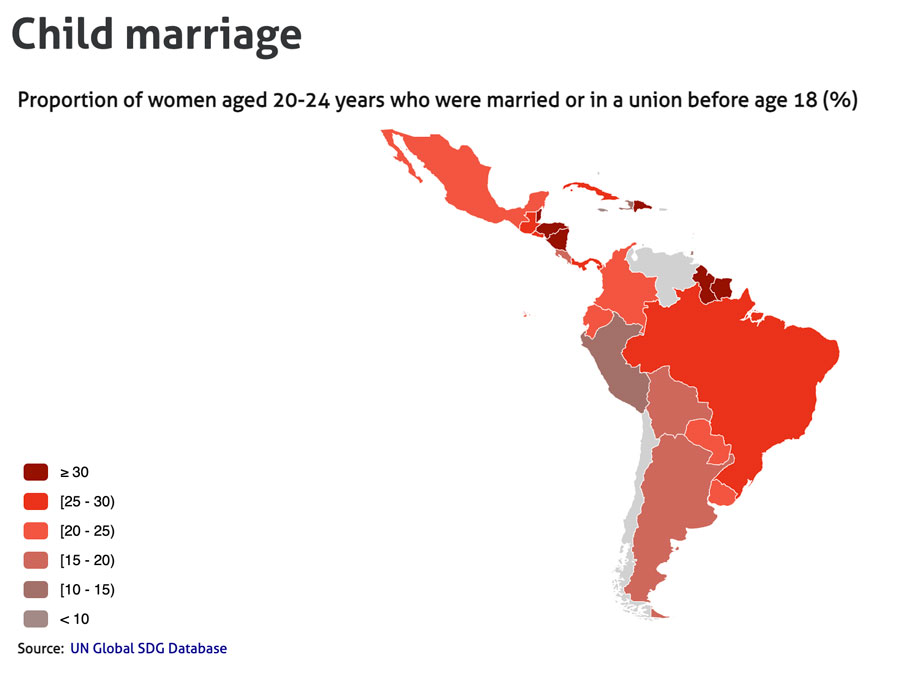
 Image Source:
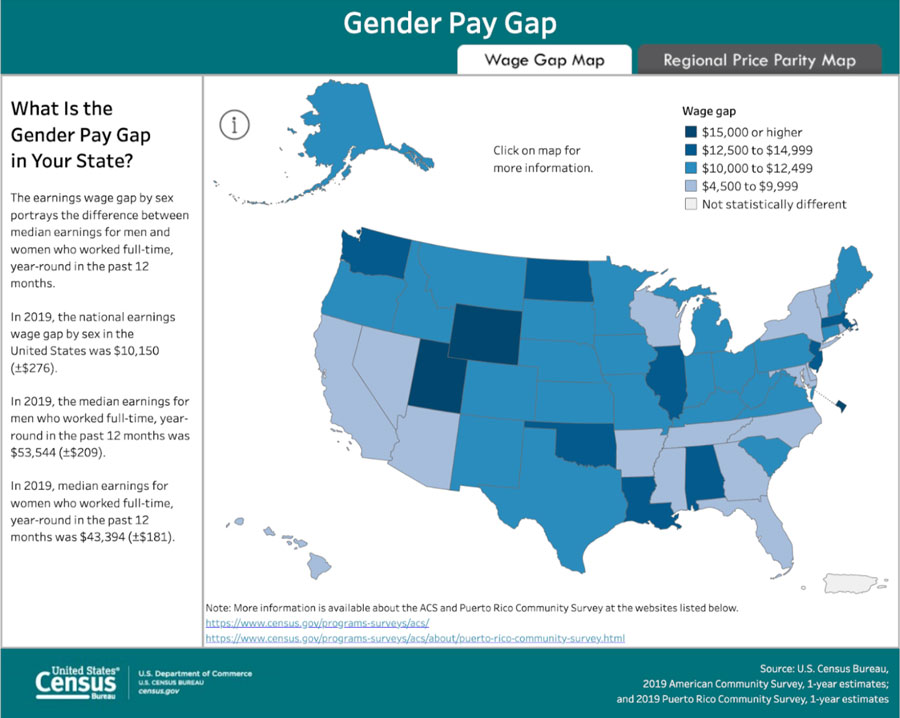
 Image Source:
  Image Source:
  Image Source:
 Image Source:
 Image Source:
 Image Source:
  Image Source:
  Image Source:
 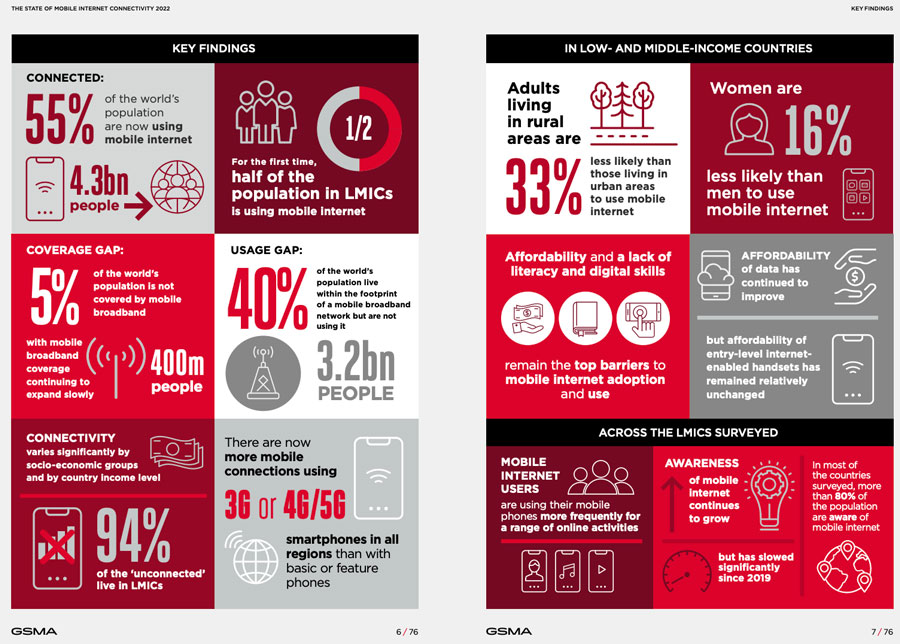 Image Source: